In today's digital age, privacy breaches have become increasingly common, and the children of public figures often find themselves unwitting targets of malicious actors. Recently, the internet erupted in outrage over the alleged leak of nude photos purportedly featuring the children of California Governor Gavin Newsom. This shocking incident has reignited discussions about online privacy, the vulnerability of minors, and the ethical responsibilities of media outlets and social media platforms.
How could such a violation occur, and what are the legal and moral implications? The case of Gavin Newsom's children serves as a stark reminder of the dangers lurking in cyberspace and the need for stronger protections for young people. As we delve into this troubling story, we'll explore the broader context of online safety, the challenges faced by families in the public eye, and the steps being taken to combat this form of digital exploitation.
Who is Gavin Newsom?
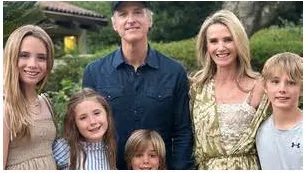
Gavin Newsom is a prominent American politician who has served as the 40th governor of California since January 2019. Born on October 10, 1967, in San Francisco, Newsom has been a significant figure in California politics for over two decades. He previously served as the 49th lieutenant governor of California from 2011 to 2019 and as the 42nd mayor of San Francisco from 2004 to 2011.
Newsom is known for his progressive policies and has been a vocal critic of the Trump administration. He has championed causes such as same-sex marriage, gun control, and environmental protection. In recent years, he has emerged as a potential candidate for the 2028 Democratic presidential nomination.
Personal Details and Bio Data| Attribute | Details |
|---|---|
| Full Name | Gavin Christopher Newsom |
| Date of Birth | October 10, 1967 |
| Place of Birth | San Francisco, California |
| Political Party | Democratic |
| Spouse | Jennifer Siebel Newsom (m. 2008) |
| Children | Four (Montana, Hunter, Brooklynn, Dutch) |
| Education | Santa Clara University (B.A. in Political Science) |
| Previous Positions | Mayor of San Francisco (2004-2011), Lieutenant Governor of California (2011-2019) |
| Current Position | Governor of California (2019-present) |
The Leaked Photos Controversy
The recent controversy surrounding alleged nude photos of Gavin Newsom's children has sent shockwaves through the political and social media spheres. While the authenticity of these images remains unverified, the mere existence of such claims has sparked a heated debate about online privacy and the protection of minors.
According to sources close to the Newsom family, the images first appeared on obscure forums before spreading to more mainstream social media platforms. The rapid dissemination of these alleged photos highlights the challenges faced by public figures in protecting their families from online exploitation.
The Impact on the Newsom FamilyThe alleged leak of these photos has undoubtedly taken a toll on the Newsom family. Governor Newsom, known for his strong stance on privacy issues, has been forced to confront a deeply personal violation of his family's privacy. The incident has also raised questions about the psychological impact on the children involved, who are minors and should be protected from such exposure.
In a statement released through his office, Newsom expressed his outrage and concern, stating, "The alleged distribution of these images is not only a violation of my family's privacy but also a potential crime that puts my children at risk. We are working with law enforcement to address this matter and ensure that those responsible are held accountable."
The Broader Context of Online Privacy Violations
The alleged leak of Gavin Newsom's children's photos is not an isolated incident but part of a troubling trend of privacy violations targeting public figures and their families. This case highlights the urgent need for stronger online privacy protections and more robust laws to combat the non-consensual sharing of intimate images.
The Legal LandscapeCurrently, laws regarding the distribution of intimate images vary widely by jurisdiction. While some states have implemented strict "revenge porn" laws, the rapid evolution of technology often outpaces legislative efforts. In California, where the Newsoms reside, there are laws in place to protect against the non-consensual sharing of intimate images, but enforcement can be challenging in the digital realm.
Social Media Platforms' ResponsibilitySocial media platforms have come under increasing scrutiny for their role in the spread of harmful content. In the case of the alleged Newsom photos, questions have been raised about how quickly these images were able to proliferate across various platforms and what steps are being taken to prevent such incidents in the future.
The Political Ramifications
As a high-profile politician with potential presidential aspirations, the controversy surrounding the alleged leaked photos has political implications for Gavin Newsom. Critics have questioned his ability to protect his own family, while supporters have rallied around him, condemning the invasion of privacy.
Impact on Newsom's Political CareerThe incident has put Newsom in a difficult position, balancing his role as a public figure with his responsibilities as a father. Political analysts suggest that how he handles this crisis could impact his standing within the Democratic party and his potential 2028 presidential bid.
Public Reaction and SupportThe public reaction to the alleged leak has been largely sympathetic towards the Newsom family. Many have expressed outrage at the violation of privacy and concern for the children's wellbeing. This outpouring of support has, in some ways, strengthened Newsom's public image as a family man and a protector of privacy rights.
Steps Being Taken to Address the Issue
In response to the alleged leak, the Newsom administration has taken several steps to address the situation and prevent similar incidents in the future.
Legal ActionThe Newsom family has reportedly retained high-profile attorneys specializing in online privacy and cybercrime. They are working with law enforcement agencies to identify the source of the leak and pursue legal action against those responsible for its distribution.
Legislative ProposalsGovernor Newsom has announced plans to propose new legislation aimed at strengthening online privacy protections, particularly for minors. The proposed laws would increase penalties for those who distribute intimate images of minors without consent and require social media platforms to implement more robust content moderation systems.
The Role of Media Ethics
The alleged leak of the Newsom children's photos has also sparked a debate about media ethics and the responsibility of news outlets when reporting on such sensitive matters.
Responsible ReportingMany media organizations have chosen not to publish or link to the alleged images, citing ethical concerns and the potential harm to the minors involved. This approach has been praised by privacy advocates and child protection organizations.
The Challenge of VerificationIn an era of deepfakes and digital manipulation, verifying the authenticity of such images has become increasingly difficult. Media outlets are grappling with how to responsibly report on these incidents without potentially spreading harmful content.
Conclusion
The alleged leak of nude photos purportedly featuring Gavin Newsom's children has ignited a firestorm of controversy and highlighted the urgent need for stronger online privacy protections. This incident serves as a stark reminder of the vulnerabilities faced by public figures and their families in the digital age.
As we move forward, it's clear that a multi-faceted approach is needed to combat these types of privacy violations. This includes stronger laws, more responsible social media policies, ethical journalism practices, and increased public awareness about online safety.
The Newsom family's experience, while deeply personal, has the potential to spark meaningful change in how we approach online privacy and the protection of minors. As the investigation continues and legislative proposals are developed, the hope is that this incident will lead to a safer digital environment for all, particularly for the most vulnerable among us – our children.
In the end, the controversy surrounding these alleged leaked photos is not just about one family or one politician. It's about the fundamental right to privacy in an increasingly connected world and the collective responsibility we all share to create a safer online space for future generations.