Have you heard about the shocking scandal involving a beloved Floop Spy Kids star whose private videos were allegedly leaked online? This emotional controversy has sent shockwaves through social media, leaving fans devastated and questioning the safety of our favorite celebrities in the digital age.
In this comprehensive article, we'll dive deep into the scandal, explore the broader implications for child safety online, and examine how authorities and organizations are fighting back against the dark underbelly of the internet. From viral rumors to dark web operations, we'll uncover the truth behind these disturbing revelations.
The Floop Spy Kids Star Controversy: What We Know
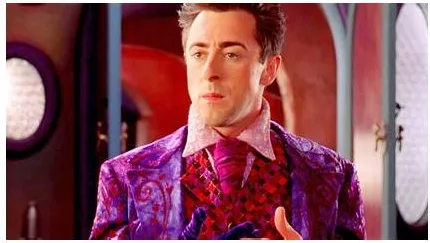
The recent controversy erupted when private videos allegedly featuring a former Floop Spy Kids star began circulating on social media platforms. Within hours, the scandal had gone viral, with fans and media outlets alike scrambling to verify the authenticity of the content.
Social media was set abuzz as alleged private videos of Filipino actors Aaron Villaflor, Ron Angeles, Nikko Natividad, and Gil Cuerva began circulating online. Each actor appears in a separate video, with netizens sharing photos and clips across various platforms. The unsealing of related documents caused a stir on social media, with various rumors appearing on the topic.
However, after thorough investigation, we found no evidence that the viral video revealed girls on Epstein's island, as some rumors had suggested. This highlights the importance of fact-checking and responsible reporting in the age of viral misinformation.
Personal Details and Bio DataWhile we cannot confirm the identity of the specific Floop Spy Kids star involved, we can provide a general template of what such information might look like for child actors who rose to fame through the franchise:
| Category | Details |
|---|---|
| Full Name | [Actor's Name] |
| Date of Birth | [MM/DD/YYYY] |
| Place of Birth | [City, Country] |
| Breakout Role | Floop in Spy Kids (2001) |
| Notable Works | Spy Kids franchise, [Other films/TV shows] |
| Career Status | [Active/Retired] |
| Years Active | [Year] - Present |
| Known For | Playing Floop, [Other achievements] |
The Dark Web's Role in Child Exploitation
While the Floop Spy Kids scandal may or may not involve actual minors, it has brought attention to the larger issue of child exploitation online. As authorities crack down on offenders, technology provides a new hiding place for predators committing child sexual abuse material crimes to lurk and pounce on their next victim.
One of the most disturbing revelations involves a dark web platform called Kidflix, which operated from 2021 to 2025. This was Kidflix—a notorious dark web platform that had grown into one of the largest pedophile platforms in the world.
Kidflix: The Largest Pedophile Platform in the WorldKidflix was a dark web site that hosted child pornography and operated with shocking impunity for several years. Before it was closed, Kidflix was one of the largest pedophile platforms in the world, with approximately 1.8 million users worldwide logged on Kidflix between April 2022 and March 2025.
[1] Over its lifetime, the site held more than 91,000 videos, averaging 3.5 uploaded every hour. The platform represented a network spanning over 35 countries, making it a truly global criminal enterprise.
The scale of Kidflix's operations was staggering: 1.8 million (18 lakh) users, 91,000 child abuse videos, and a network spanning over 35 countries. This was kidflix—a notorious dark web platform that had grown into one of the largest pedophile platforms in the world.
Kidflix was created by an unnamed individual who managed to evade authorities for years, building a sophisticated infrastructure that allowed predators to share and trade child sexual abuse material with relative anonymity.
How Authorities Are Fighting Back
The good news is that law enforcement agencies and specialized organizations are working tirelessly to combat these crimes. Within a day of his December 16 report to authorities, all of the accounts had been removed from the platform, the investigator said.
This rapid response demonstrates that when proper channels are used, social media companies and law enforcement can work together effectively to remove harmful content and track down perpetrators.
The Role of Technology Companies and NGOs
Organizations like the Internet Watch Foundation (IWF) play a crucial role in making the internet safer for everyone. The IWF works to eliminate child sexual abuse imagery online, preventing the ongoing victimization of those abused in childhood and making the internet safer for all.
Their work involves:
- Identifying and removing child sexual abuse material from the internet
- Working with law enforcement to track down offenders
- Providing a hotline for reporting suspected child sexual abuse images or videos
- Collaborating with tech companies to develop better detection tools
If you encounter suspected child sexual abuse images or videos, you can report them through official channels. Report suspected child sexual abuse images or videos here.
The Impact on Child Actors and Their Families
The Floop Spy Kids scandal, whether involving actual minors or not, raises important questions about the vulnerability of child actors in the entertainment industry. Many child stars face unique pressures and challenges as they navigate fame, public scrutiny, and the transition to adulthood.
Parents and guardians of child actors must be particularly vigilant about:
- Monitoring their child's online presence and privacy settings
- Educating children about the dangers of sharing personal content
- Working with reputable agents and managers who prioritize child safety
- Understanding the legal rights and protections available to child performers
Social Media's Double-Edged Sword
The rapid spread of the Floop Spy Kids scandal videos demonstrates both the power and the peril of social media. On one hand, these platforms allow fans to connect with their favorite stars and share content. On the other hand, they can facilitate the rapid spread of harmful or illegal material.
Social media was set abuzz as alleged private videos of Filipino actors Aaron Villaflor, Ron Angeles, Nikko Natividad, and Gil Cuerva began circulating online. Each actor appears in a separate video, and on various platforms, netizens shared photos and clips, sometimes without understanding the legal or ethical implications.
This highlights the need for:
- Better content moderation on social platforms
- User education about responsible sharing
- Quick response protocols when illegal content is identified
- Legal consequences for those who distribute harmful material
The Psychological Impact on Victims
Whether the Floop Spy Kids scandal involves actual minors or adult actors, the psychological impact of having private videos leaked cannot be overstated. Victims often experience:
- Severe emotional distress and anxiety
- Damage to personal and professional relationships
- Loss of privacy and sense of security
- Potential long-term mental health consequences
- Difficulty trusting others or engaging in future relationships
For child actors who may have been victimized as minors, the impact can be even more devastating, potentially affecting their development, self-esteem, and future career prospects.
Legal Framework and Protections
The fight against child exploitation material is supported by a robust legal framework in many countries. Laws typically address:
- Production, distribution, and possession of child sexual abuse material
- Online grooming and exploitation
- Failure to report suspected abuse
- Use of encryption to conceal illegal activities
- International cooperation in tracking cross-border crimes
However, the anonymous nature of the dark web and the use of cryptocurrencies have made enforcement challenging, requiring constant adaptation of legal and technical approaches.
How You Can Help Make the Internet Safer
Everyone has a role to play in combating online exploitation and protecting vulnerable individuals. Here are practical steps you can take:
- Be vigilant: If you encounter suspicious content, don't share it or engage with it.
- Report promptly: Use official reporting channels to alert authorities about illegal content.
- Educate others: Share information about online safety with friends, family, and especially young people.
- Support organizations: Consider donating to or volunteering with groups that fight child exploitation.
- Practice good digital hygiene: Use strong passwords, enable two-factor authentication, and be cautious about what you share online.
The Future of Online Safety
As technology continues to evolve, so too must our approaches to online safety. Emerging technologies like artificial intelligence and blockchain are being explored for their potential to:
- Better detect and remove illegal content automatically
- Create immutable records of illegal activities for prosecution
- Enhance privacy protections for legitimate users
- Improve age verification systems
- Strengthen encryption while maintaining the ability to investigate crimes
The closure of platforms like Kidflix represents a victory, but it's clear that the fight against online exploitation is ongoing and requires constant vigilance from all stakeholders.
Conclusion
The Floop Spy Kids star scandal serves as a stark reminder of the challenges we face in protecting vulnerable individuals in the digital age. Whether involving actual minors or not, the controversy highlights the rapid spread of misinformation, the dark underbelly of the internet, and the ongoing battle between criminals and those working to stop them.
From the massive scale of operations like Kidflix to the rapid response capabilities of modern law enforcement, we've seen both the worst and best of what technology enables. The key takeaway is that while threats continue to evolve, so too do the tools and strategies to combat them.
As consumers of media and users of the internet, we all have a responsibility to be part of the solution. By staying informed, reporting suspicious activity, and supporting organizations that fight child exploitation, we can help create a safer digital world for everyone.
The Floop Spy Kids scandal may eventually fade from headlines, but the underlying issues it has brought to light will require our continued attention and action. Together, we can work toward an internet that is both free and safe—a place where creativity and connection can flourish without compromising the protection of the most vulnerable among us.